Featured guide · October 4, 2026
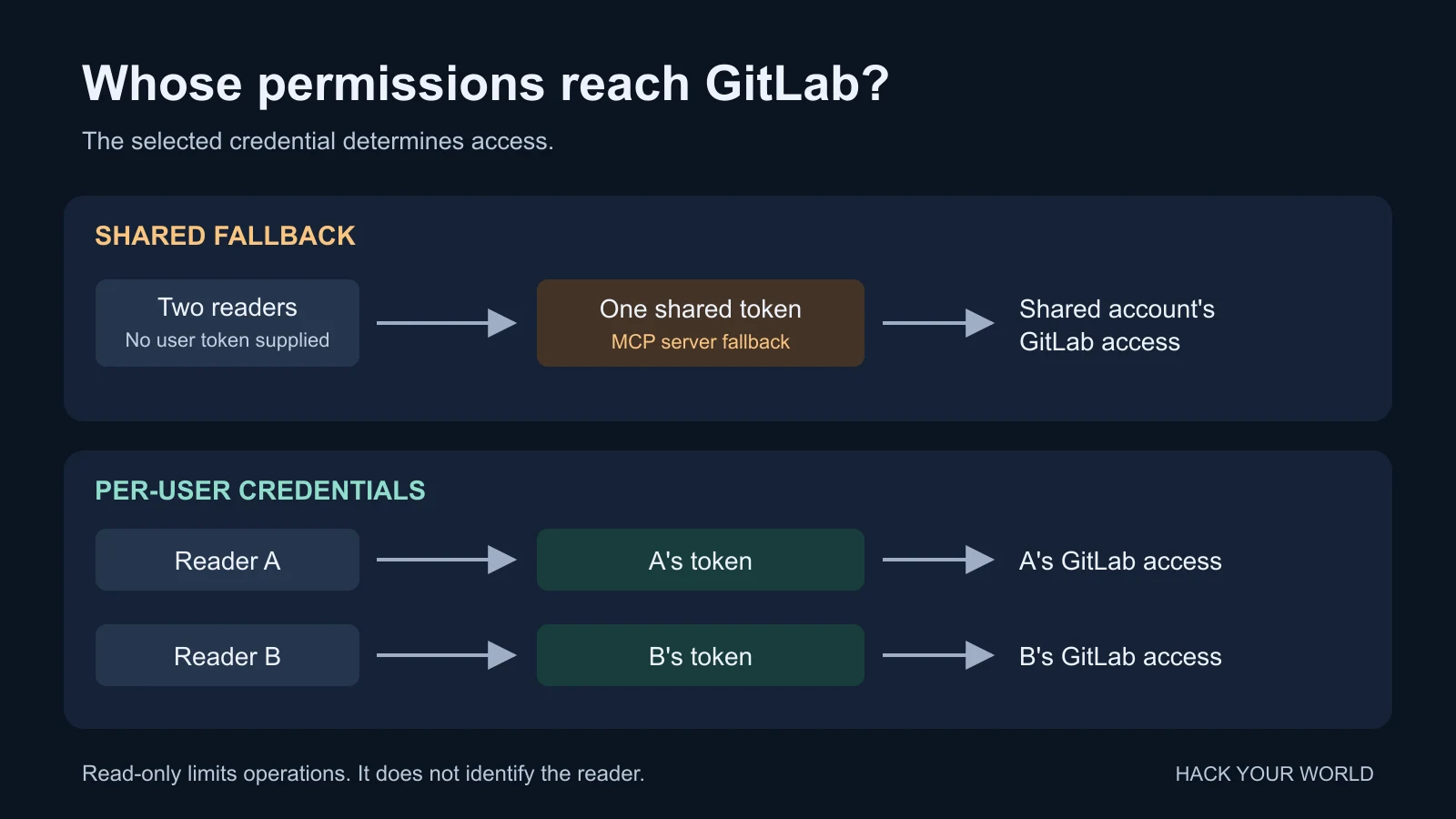
Whose GitLab Permissions Does Your AI Assistant Use?
A shared read-only token does not preserve each reader’s GitLab permissions. How fallback credentials, user tokens, and HTTP sessions affect access.
Read the guideFeatured guide · October 4, 2026
A shared read-only token does not preserve each reader’s GitLab permissions. How fallback credentials, user tokens, and HTTP sessions affect access.
Read the guideInfrastructure and operations
Firewall migrations, DHCP, code review, and the systems around a pull request.
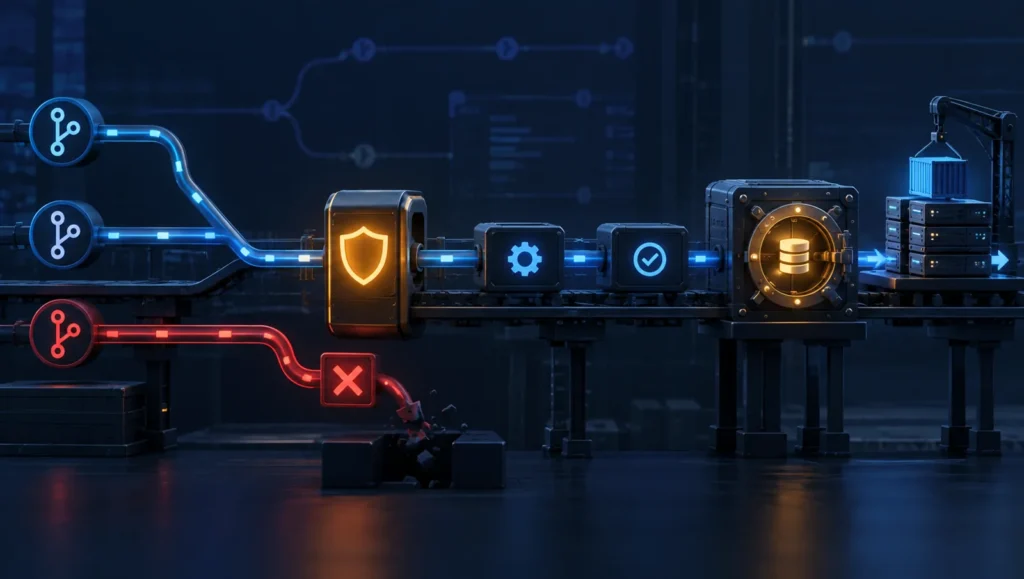
Kodus flagged firewall conversion differences and two report-token authorization flaws. Sanitized code shows the missing permission check and environment mismatch.
A recursive close handler and stale client session IDs show why transport lifecycle needs explicit states and failure-focused tests.
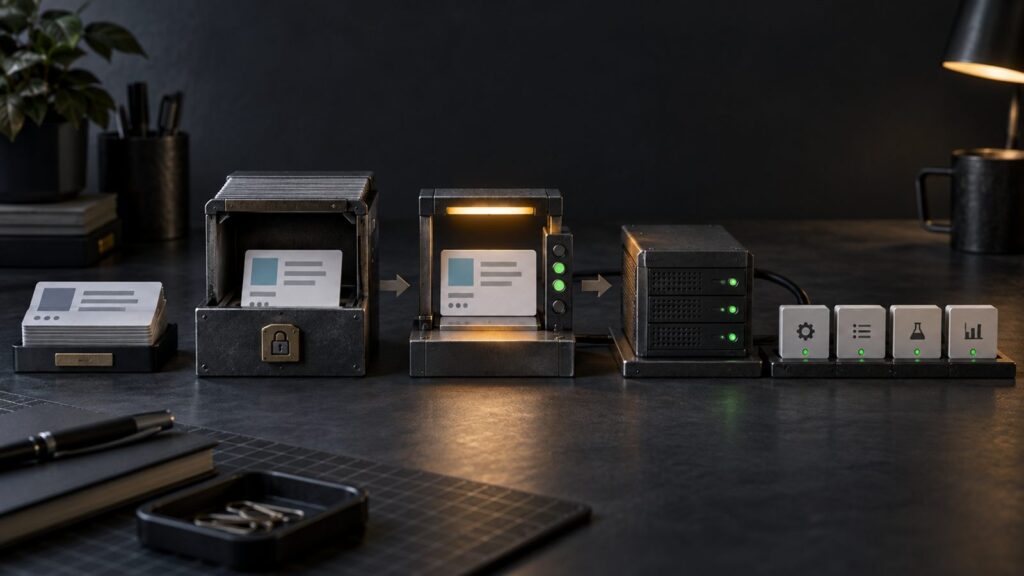
A SELECT-only query check cannot contain database authority, credentials, cached results, or multi-host access. Here are the controls that can.
Check access to the management port. Moving to Kea can be straightforward: my Salt-managed deployment kept its IP assignments and switched over in an evening.
Home automation
The configuration behind my kitchen lights, an RF fan that lost power, and the controls I use at home.
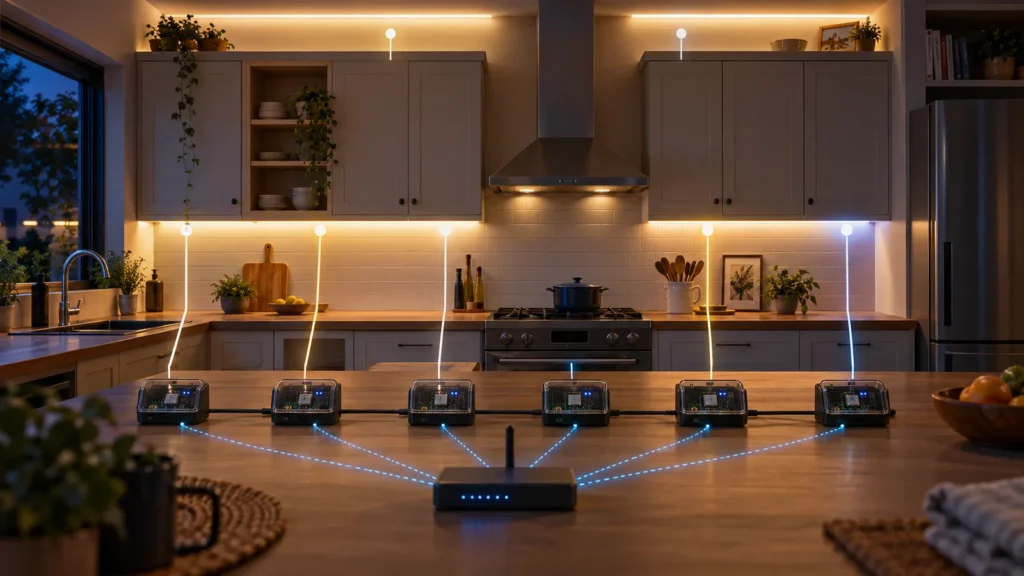
Six WLED controllers, mixed white channels, and one Home Assistant light group. Includes YAML, a read-only inspector, and checks for inconsistent lighting.
One-way RF control fails when an upstream wall switch removes power. Continuous power and a clear control boundary fix the architecture.
I use Caséta for permanent lighting. A Matter bulb only makes sense to me in a continuously powered lamp, and I have not verified an exact bulb to recommend.
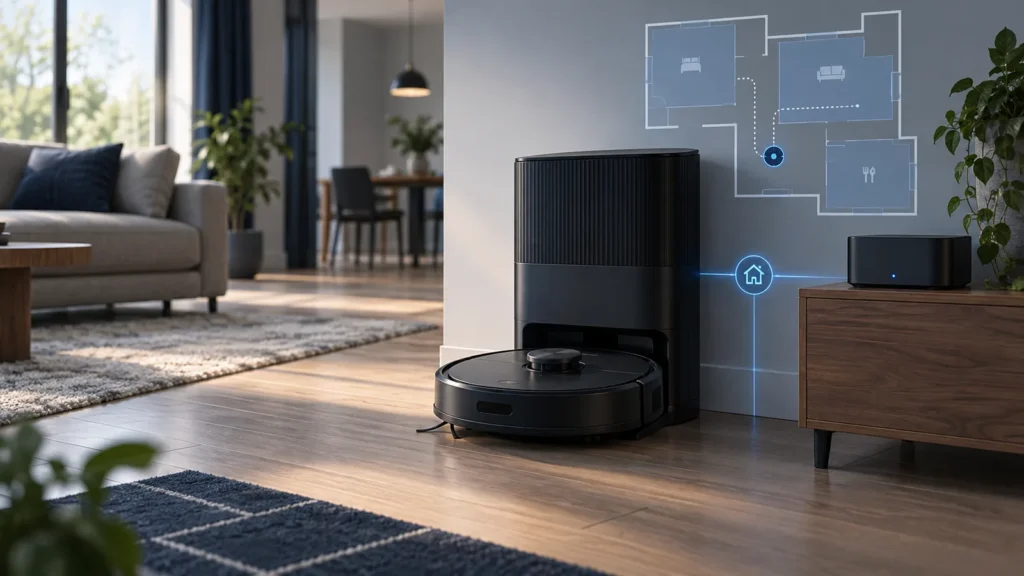
Room cleaning works locally through Matter, but room identifiers, error handling, charging data, and battery reporting still need careful treatment.
Practical guides
Deployments, schedules, remote access, and recovery procedures you can reuse without inheriting my exact setup.
Container health does not prove reachability, supported topology, persistent state, client continuity, backup, or rollback.
Use an atomic lock, meaningful exit status, observable duration, and explicit host ownership when scheduled work takes longer than its interval.
I deploy this WordPress site with narrow PHP migrations, pre-write checkpoints, plugin backups, and public regression checks—not a stale universal publisher.
How SSH dynamic forwarding works, where its encryption ends, how to verify the route, and when a real VPN is the better answer.
Calculators
Network ranges, backup windows, power, and payback. The calculations run in your browser.